
Brand Positioning In An AI World

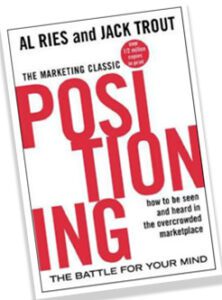
There’s a foundational principle in marketing that has held up for more than four decades, even as technology, AI, and content channels have radically evolved. It comes from Ries and Trout’s classic book Positioning: The Battle for Your Mind, and it’s this:
Positioning isn’t what a company says about itself. It’s what people believe about it.
Put another way, companies don’t position a brand, product or service. The audience does.
That one shift—understanding that positioning is assigned to you, not crafted by you—changes everything about how we think about brand visibility, content creation, and the role of PR today. And in a world saturated with content, algorithms, and AI-generated information, the companies that understand this principle are the ones shaping the modern marketing landscape.
Let’s break down what this means in practice.
The Tactic Trap: When Brands Rush Into Activity Without Positioning
Many companies today are so overwhelmed by the pressure to “publish more” that they skip over the most important question in marketing: What do we want people to believe about us? Instead of stepping back and examining perception, they jump immediately to tactics—posting on social media, generating AI-written blogs, boosting Facebook posts, sending out generic press releases, and wondering why none of it creates real momentum.
They’re not alone.
Earned Media Is the Signal in the Noise
- A journalist deciding your perspective is worth quoting
- An editor publishing your byline because it adds value to the conversation
- A podcast host inviting you on because your take matters
- A reputable outlet citing your company for industry insights
These are the trust signals that influence both human audiences and AI-driven search engines.
Earned media is what elevates a brand above the sea of automated content. It tells the world — and increasingly, systems like ChatGPT, Gemini, and Perplexity — that your expertise is real. And earning that visibility still requires human judgment, relationships, and experience.
Remember:
- AI cannot build relationships with editors.
- AI cannot understand newsworthiness.
- AI cannot tailor a pitch to a journalist’s beat or preferences.
- AI cannot advocate for your story in a crowded inbox.
AI Helps With Efficiency — but Humans Drive Strategy
- Research and outlet targeting
- Media landscape analysis
- Competitor tracking
- Drafting background content
- Monitoring coverage and sentiment
- Crafting a narrative that resonates
- Understanding what’s actually newsworthy
- Knowing when to pitch and when to hold
- Personalizing outreach based on journalist relationships
- Positioning clients as credible experts in a noisy space
- Ensuring PR efforts reinforce AI-search visibility (GEO)
Why Outsourcing PR Matters Now More Than Ever
Many organizations assume AI makes it easier to “do PR themselves.” But without professional experience, that path usually leads to diminishing returns.
Here’s why outsourcing PR is more essential in the AI era:
Expertise and judgment matter more than ever
Knowing what makes a story compelling — and what makes a journalist hit delete — is not something AI can replicate.
Media relationships still drive results
Editors, writers, and producers rely on trusted PR pros who understand their needs. AI cannot substitute a decade of rapport.
AI-search visibility depends on earned authority
The more a brand is cited, quoted, and mentioned in reputable outlets, the stronger its presence in AI-engine results.
DIY PR often leads to generic outreach
AI-generated pitches sound the same. Journalists can spot them instantly.
Outsourcing frees teams to focus on what they do best
A specialized PR partner runs point on visibility, positioning, and media strategy — so the client can focus on serving customers and growing their business.
In short: If your visibility strategy relies more on automation than authenticity, you’re giving your competitors an opening.
Final Thought
AI is reshaping the communication landscape — but not in the way many assume. It hasn’t replaced PR. It has made expert PR even more valuable.
In a world where anyone can generate content, few can generate credibility.
And credibility is the foundation of visibility — both in the media and inside AI systems.
If your brand wants to rise above the automated noise, the right PR partner can make all the difference.

Bill Threlkeld is president of Threlkeld Communications, Inc., a Digital PR, SEO and Content Marketing & Measurement consultancy. Built on three-plus decades experience in Public Relations and Content Marketing. Bill’s unique value is in leveraging PR to create content “clusters” and campaigns integrating a blend of Public Relations, SEO, social media, and content that can be tracked and measured for optimized performance. Bill’s experience includes: tech, musical instrument, pro audio, legal, entertainment, apps, software, cloud services, travel, telecom, and consumer packaged goods.